It is important for licensed providers to be knowledgeable of all of the licensing requirements that apply to their type of program. Child care consultants can make unannounced visits at any time. It’s the provider’s responsibility to be in compliance with all of the applicable laws and rules. Another way for providers to make sure that they are meeting… Continue reading NC Licensing Requirements
Audience Category: For Child Care Providers
Ut enim ad minim veniam, quis nostrud exercitation ullamco laboris nisi ut aliquip ex ea commodo consequat.
Getting a License (Family Child Care Homes and Child Care Centers)
Child Care in North Carolina is defined as a program or arrangement where three or more children less than 13-years-old, who do not reside where the care is provided, receive care on a regular basis of at least once per week for more than four hours, but less than 24 hours per day, from people… Continue reading Getting a License (Family Child Care Homes and Child Care Centers)
Child Care License Requirements Overview
Child care license requirements and regulations for programs that are regulated by the Division of Child Development and Early Education (DCDEE). Includes Family Child Care Homes and Child Care Centers.
Licensing Requirements FAQ
Frequently asked questions by child care providers about licensing requirements.
Star Rated License
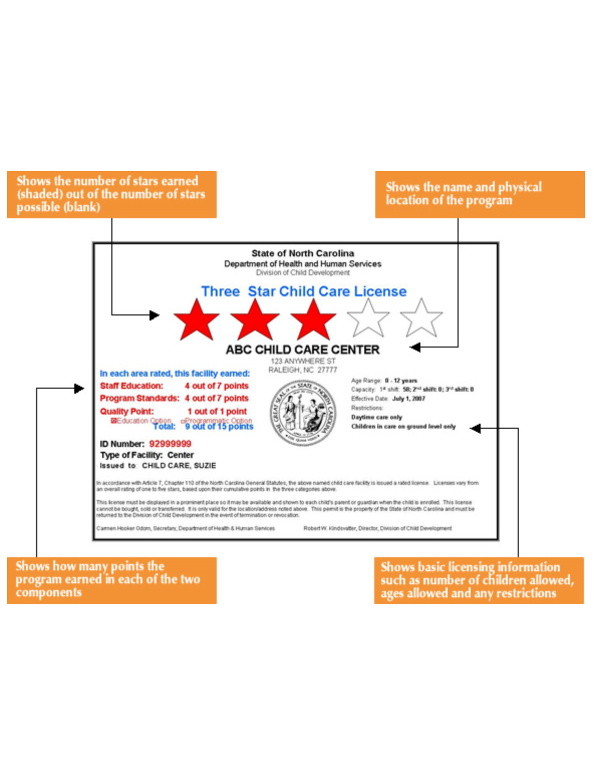
In September 2000, the Division issued star rated licenses to child care centers and family child care homes meeting all minimum child care requirements, as well as those choosing to meet higher standards. In 2005, the Division changed the way facilities earned stars in order to more accurately reflect indicators of a program’s quality. Currently,… Continue reading Star Rated License
What To Look For in a High-Quality, Inclusive Preschool Prosocial Learning Environment
One of the greatest benefits for children experiencing quality early care and education with other children is that he or she has the opportunity to develop his or her social skills. It is well known that children who can make and keep friends with adults and with other children are more likely to be successful… Continue reading What To Look For in a High-Quality, Inclusive Preschool Prosocial Learning Environment
Child Care Provider Overview
Information on star ratings, compliance history, and more.
Classroom Resources for Exceptional Children – NC Department of Public Instruction
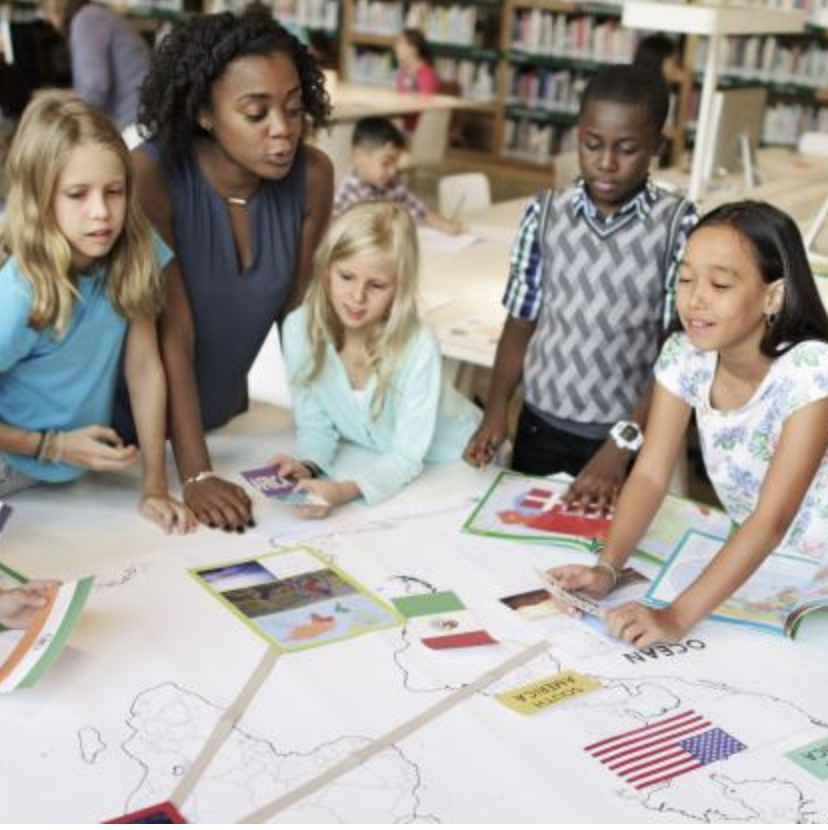
The mission of the Exceptional Children Division is to ensure that students with disabilities develop intellectually, physically, emotionally, and vocationally through the provision of an appropriate individualized education program in the least restrictive environment. Browse a variety of useful classroom resources.
North Carolina Parents as Teachers (NCPAT)
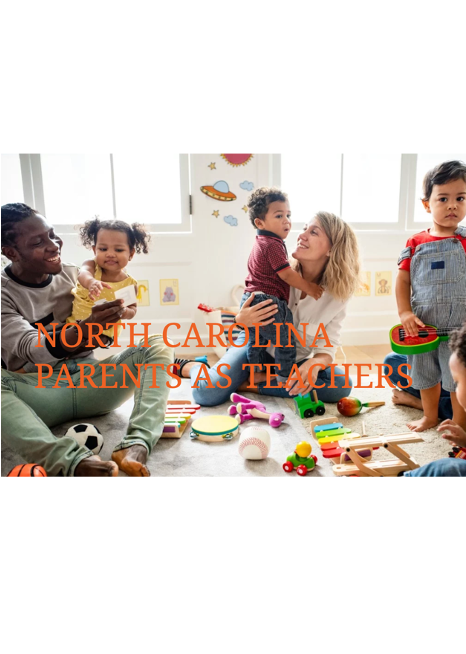
North Carolina Parents as Teachers (NCPAT) provides training, technical assistance, collaboration and communication for early childhood parent education home visiting services. The role of NCPAT is to provide support for affiliates in North Carolina to meet those requirements as well as additional quality standards that represent best practices in the field. NCPAT also provides training and… Continue reading North Carolina Parents as Teachers (NCPAT)
Looking for a Breastfeeding-Friendly Child Care Program? This Checklist Will Help
Attention Parents and Guardians! Looking for a Breastfeeding-Friendly Child Care Program? This checklist provides questions to pose before or during your tour of the program, as well as specific items to look for while on tour. These questions may help to ensure you find a child care program which is a good fit for you… Continue reading Looking for a Breastfeeding-Friendly Child Care Program? This Checklist Will Help