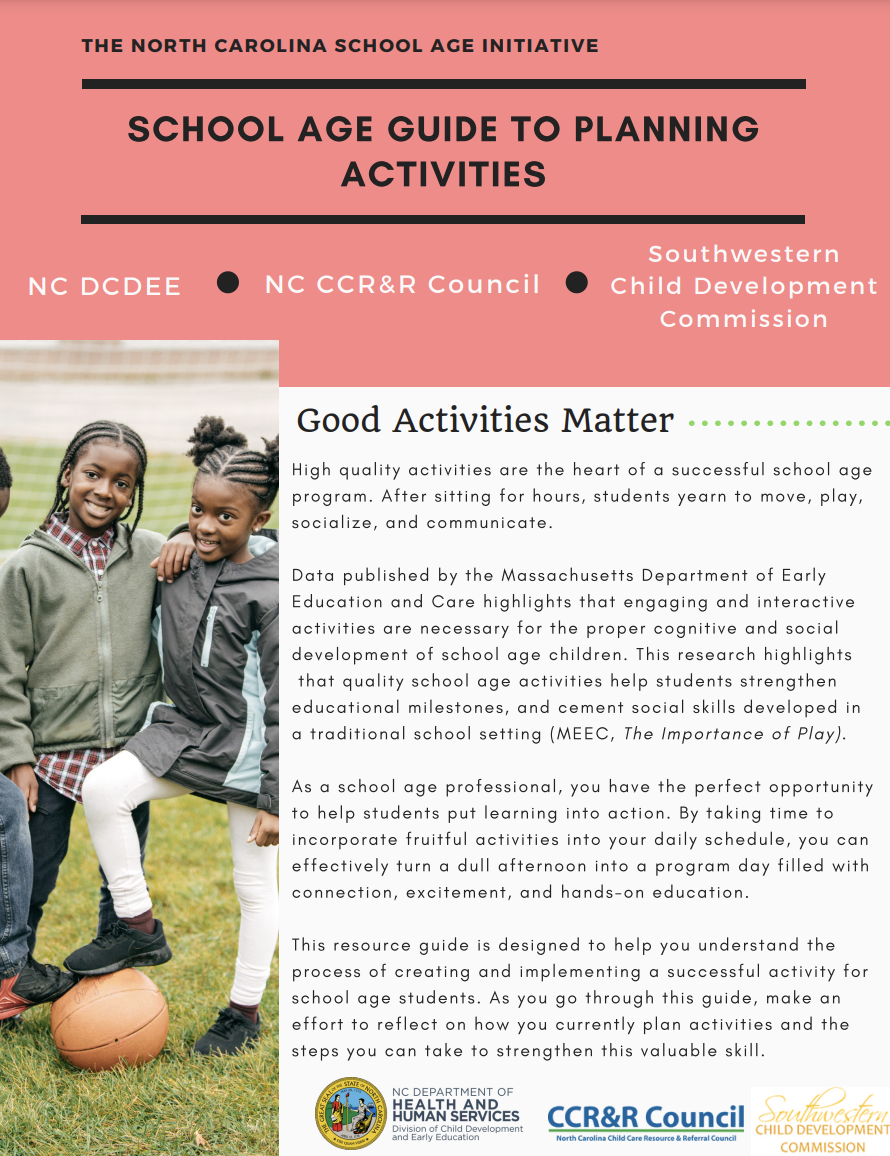
High quality activities are the heart of a successful school age program. After sitting for hours, students yearn to move, play, socialize, and communicate. This resource guide is designed to help you understand the process of creating and implementing a successful activity for school age students. As you go through this guide, make an effort… Continue reading North Carolina School Age Guide to Planning Activities
Audience Category: For Child Care Providers
Ut enim ad minim veniam, quis nostrud exercitation ullamco laboris nisi ut aliquip ex ea commodo consequat.
North Carolina Child Care Center Staffing Survey Findings
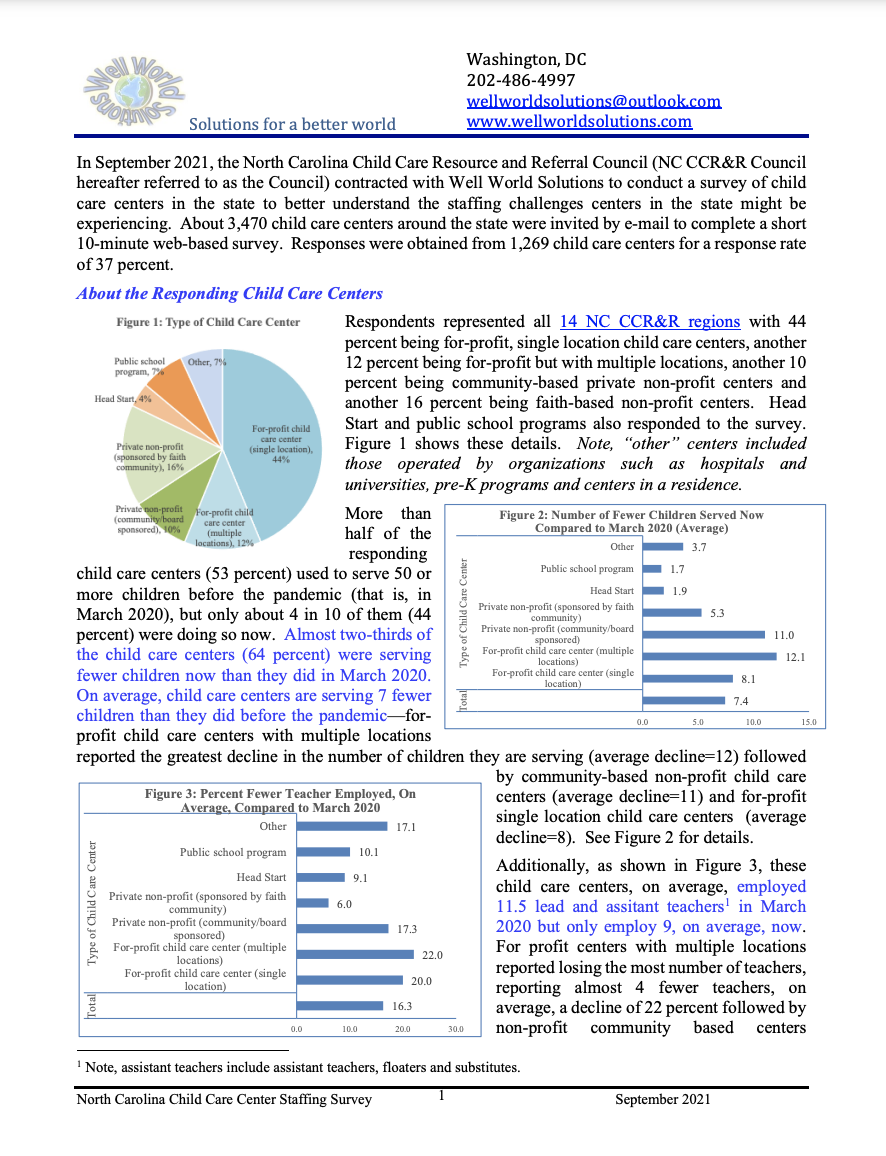
In September 2021, the North Carolina Child Care Resource and Referral Council contracted with Well World Solutions to conduct a survey of child care centers in the state to better understand the staffing challenges centers in the state might be experiencing. About 3,470 child care centers around the state were invited by e-mail to complete… Continue reading North Carolina Child Care Center Staffing Survey Findings
NC ITQEP Annual Report FY 2021
The NC Infant Toddler Quality Enhancement Project (NC ITQEP) is pleased to report a successful year providing a variety of support services to North Carolina’s infant/toddler workforce during the COVID-19 pandemic. The NC ITQEP is designed to support quality improvement of the early care and education of NC’s youngest and most vulnerable children in licensed… Continue reading NC ITQEP Annual Report FY 2021
Family Child Care Home Resource Guide 2021
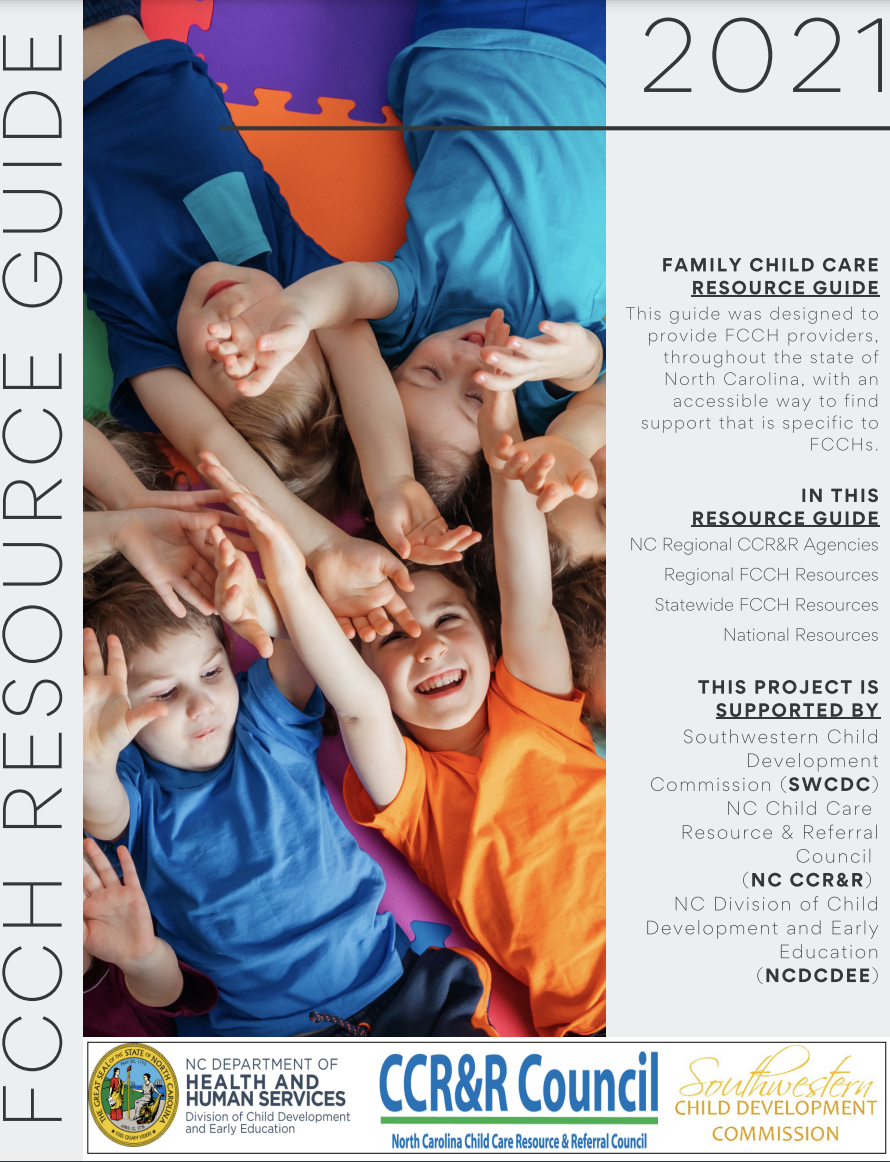
This guide was designed to provide FCCH providers throughout the state of North Carolina with an accessible way to find support specific to FCCHs. In this resource guide you’ll find: NC Regional CCR&R Agencies Regional FCCH Resources Statewide FCCH Resources National Resources
Backpack Connection Series Resources – National Center for Pyramid Model Innovations
The Backpack Connection Series was created by TACSEI to provide a way for teachers and parents/caregivers to work together to help young children develop social emotional skills and reduce challenging behavior. Each Backpack Connection handout provides information that helps parents stay informed about what their child is learning at school and specific ideas on how… Continue reading Backpack Connection Series Resources – National Center for Pyramid Model Innovations
Five Ways To Create A Successful Summer Camp
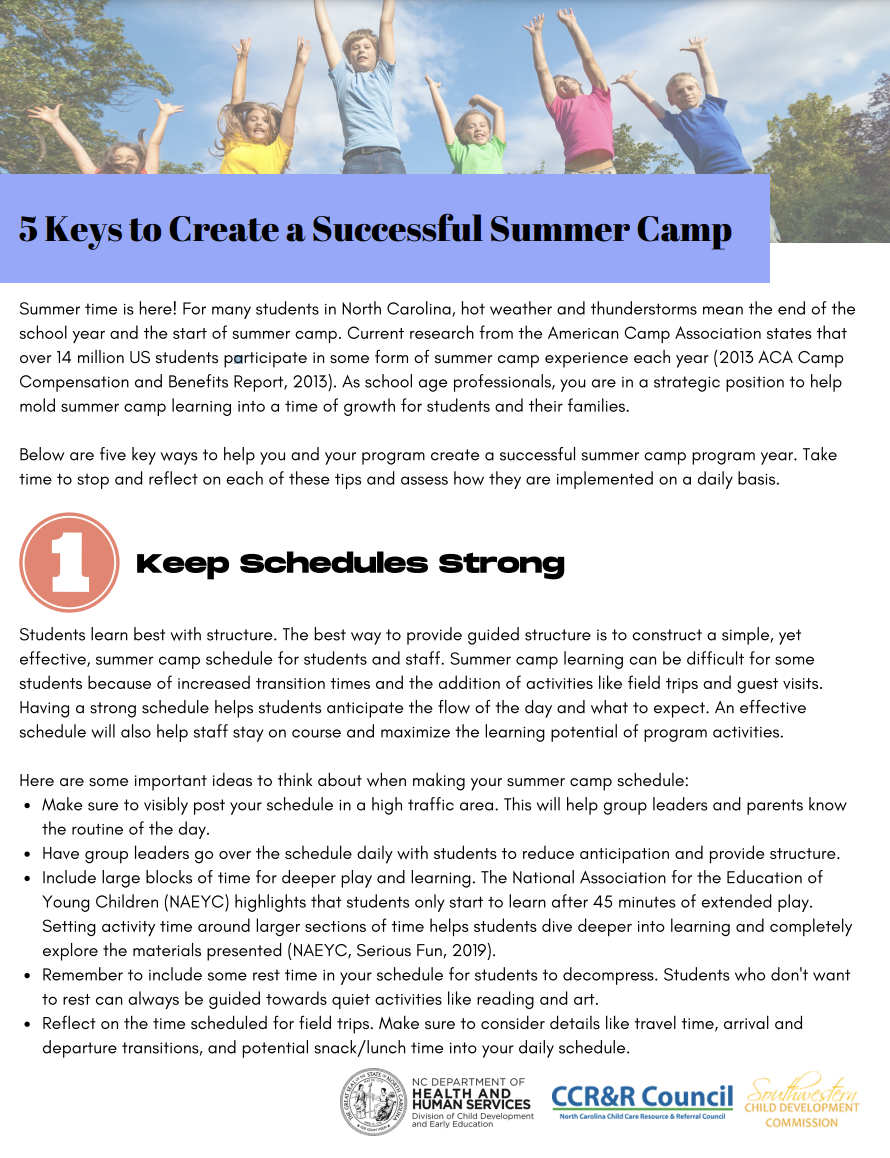
For many students in North Carolina, hot weather and thunderstorms mean the end of the school year and the start of summer camp. Current research from the American Camp Association states that over 14 million US students participate in some form of summer camp experience each year (2013 ACA Camp Compensation and Benefits Report, 2013).… Continue reading Five Ways To Create A Successful Summer Camp
Resources for Children of Incarcerated & Returning Parents
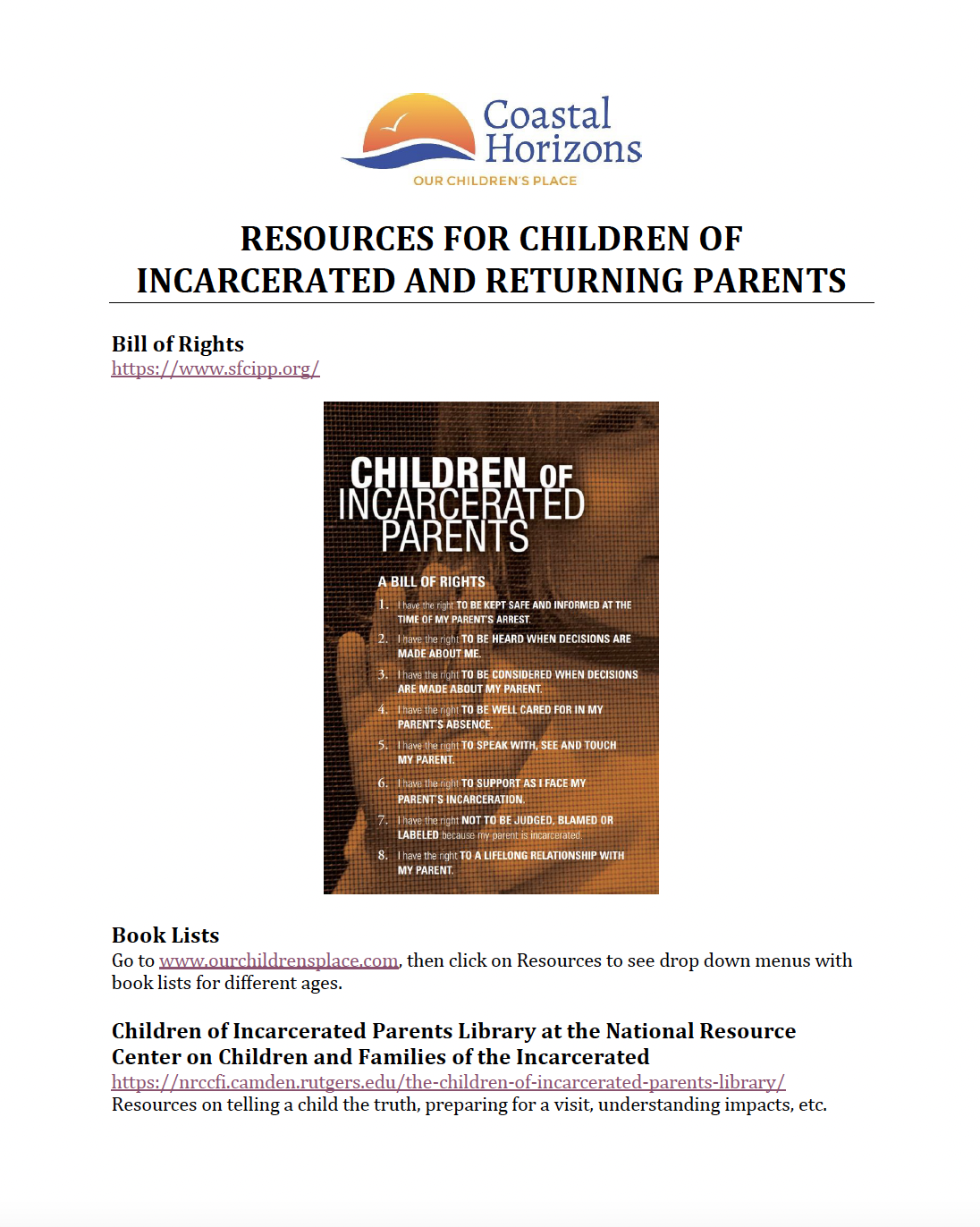
Various resources to help children of incarcerated & returning parents.
NC School Age Trauma Resource Series – Section 3: Supporting Staff Resiliency
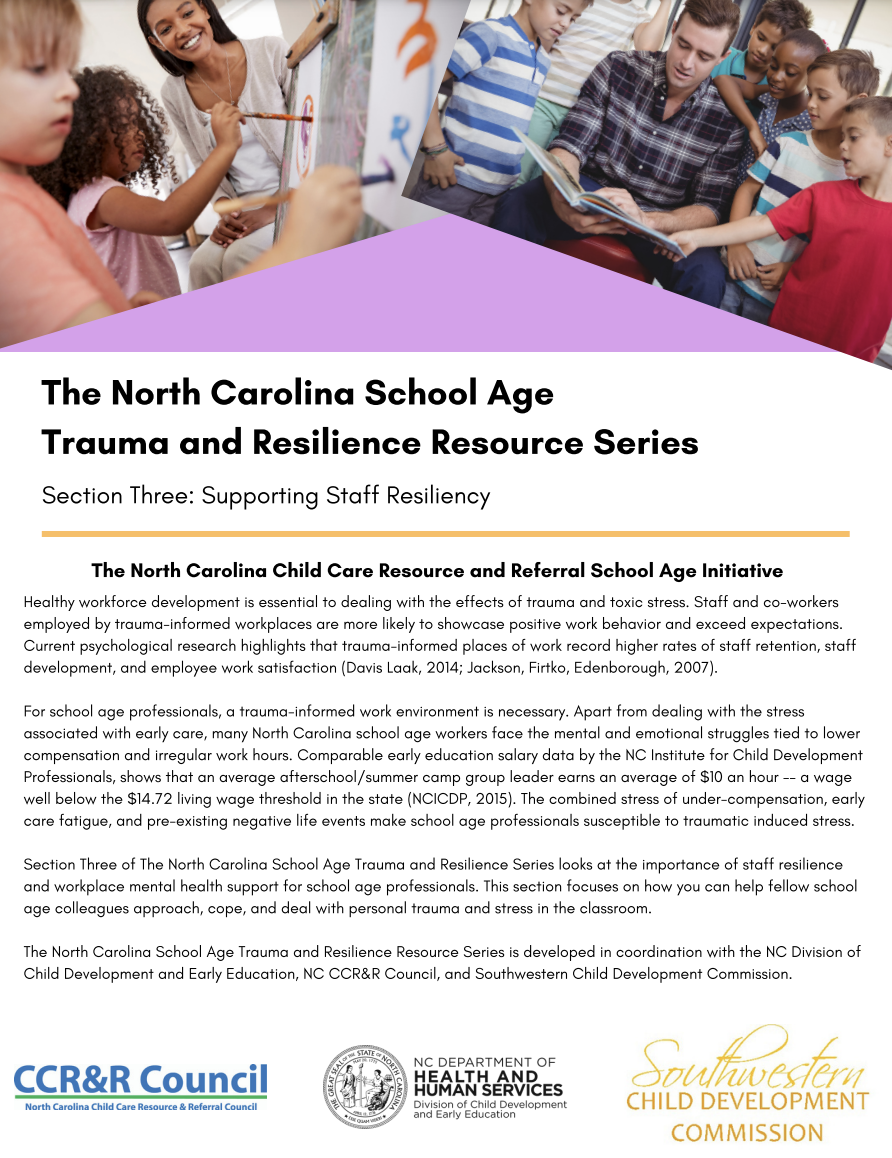
Healthy workforce development is essential to dealing with the effects of trauma and toxic stress. Staff and co-workers employed by trauma-informed workplaces are more likely to showcase positive work behavior and exceed expectations. Current psychological research highlights that trauma-informed places of work record higher rates of staff retention, staff development, and employee work satisfaction (Davis… Continue reading NC School Age Trauma Resource Series – Section 3: Supporting Staff Resiliency
CCR&R Provider Portal: NC Weekly Provider Status, Enrollment, and Vacancies
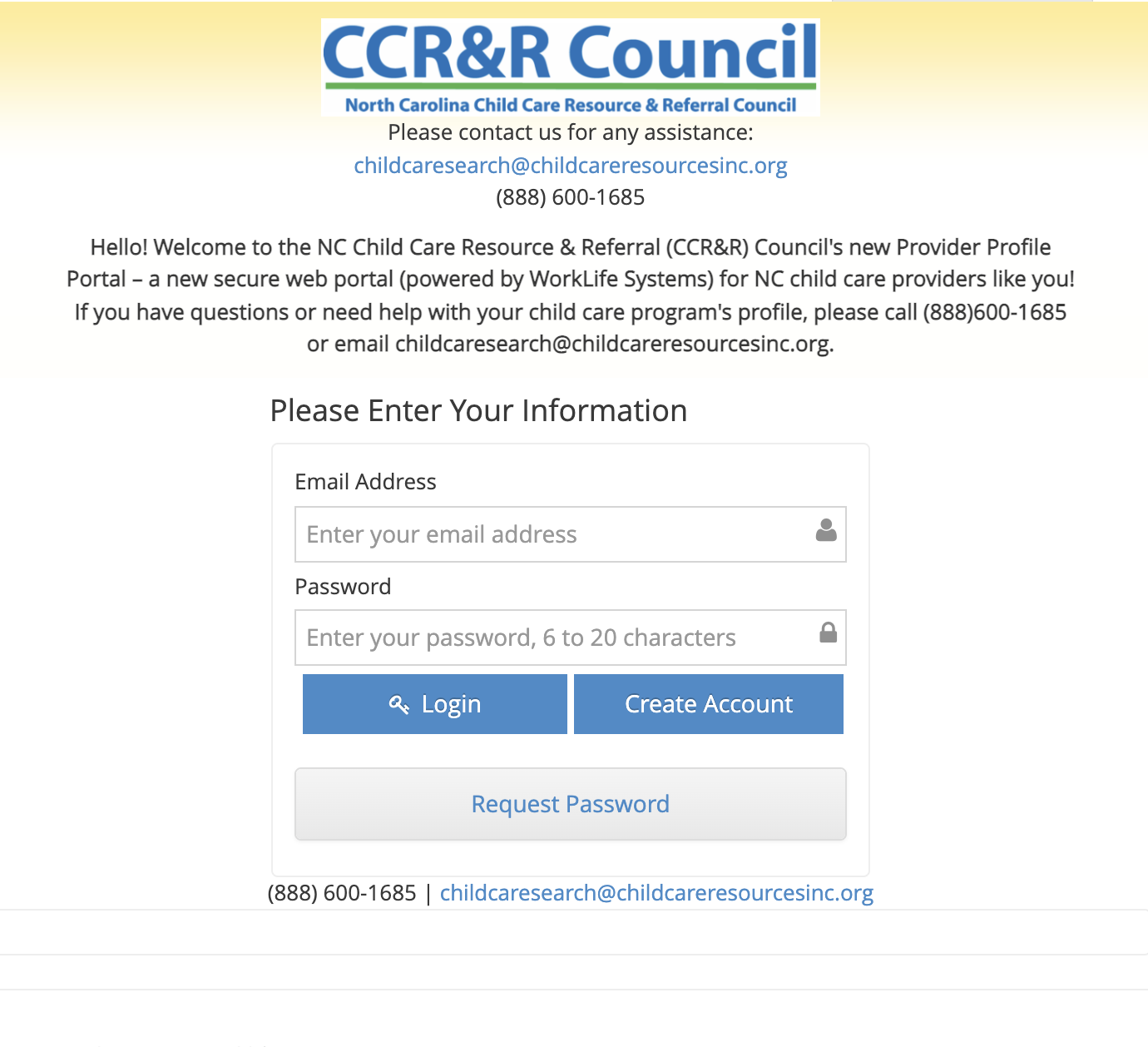
The CCR&R Provider Portal allows child care providers to report their weekly status during COVID. Those who have been approved to reopen during the COVID-19 pandemic will receive an email. The email will contain a link to the Provider Portal. Once they click on the link, they will be taken to the log in screen… Continue reading CCR&R Provider Portal: NC Weekly Provider Status, Enrollment, and Vacancies
COVID-19 Child Care Payment Policies – Updated March 2021
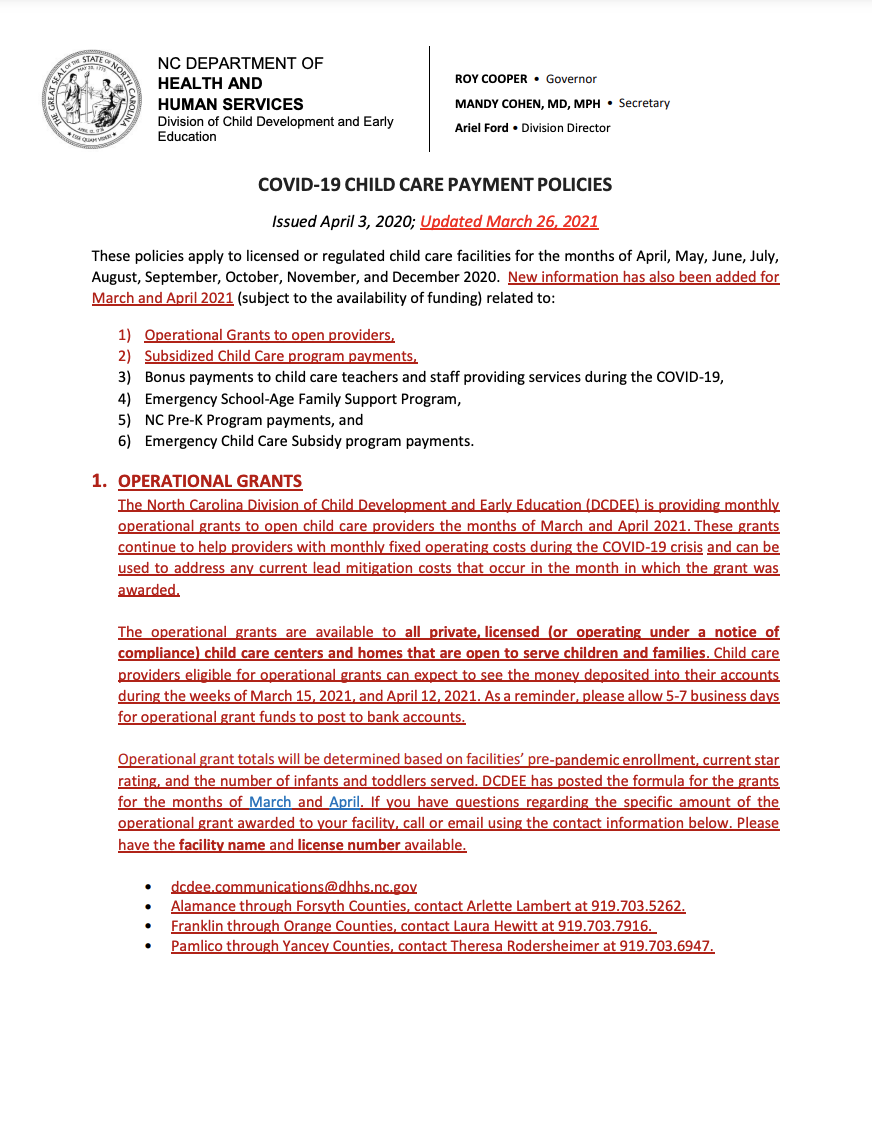
These policies apply to licensed or regulated child care facilities for the months of April, May, June, July, August, September, October, November, and December 2020. New information has also been added for March and April 2021 (subject to the availability of funding) related to: 1) Operational Grants to open providers 2) Subsidized Child Care program… Continue reading COVID-19 Child Care Payment Policies – Updated March 2021